The Rise of AI Actors in Hollywood: Examining the Implications of AI-Generated Performers Taking Lead Roles in Films
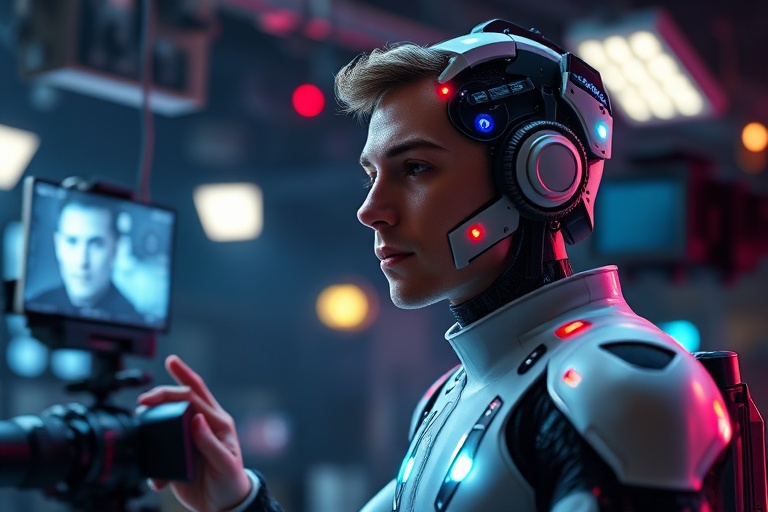
As technology advances, the film industry is undergoing a significant transformation with the rise of AI-generated performers, also known as AI actors. This trend raises essential questions about the future of performance art, the role of human actors, and the ethics surrounding the use of artificial intelligence in creative fields. This article explores these implications, practical insights, and future possibilities as AI actors begin to take center stage in Hollywood.
The Technology Behind AI Actors
AI actors are created using various technologies, including deep learning, computer vision, and natural language processing. These technologies enable machines to analyze vast amounts of data, learn from it, and generate realistic performances. Key components of AI actor technology include:
- Generative Adversarial Networks (GANs): GANs can create lifelike images and videos by training on existing datasets, producing hyper-realistic digital characters.
- Motion Capture: This technique captures human movements and translates them into digital form, allowing AI actors to mimic the nuances of human performances.
- Voice Synthesis: Advanced text-to-speech systems can generate voices that sound natural and expressive, enabling AI characters to deliver lines convincingly.
- Sentiment Analysis: AI can analyze scripts and understand emotional cues, allowing it to deliver performances that resonate with audiences.
Practical Insights into AI Actors
The incorporation of AI actors in films offers several advantages, including cost efficiency and creative flexibility. Here are some practical insights:
- Reduced Production Costs: AI actors can significantly lower expenses related to salaries, insurance, and contracts for human actors.
- Availability: Unlike human actors, AI performers are available 24/7, eliminating scheduling conflicts and production delays.
- Endless Customization: Filmmakers can modify AI characters’ appearances, personalities, and voices effortlessly, allowing for endless creative possibilities.
- Risk Management: Using AI actors can mitigate risks associated with human actors, such as health issues or scandals that may disrupt production.
Industry Implications
The rise of AI actors poses several implications for the film industry:
- Job Displacement: As AI performers become more prevalent, concerns about job displacement for human actors and supporting crew members grow. The industry must navigate this shift responsibly.
- New Roles in Production: The emergence of AI actors will create demand for new roles such as AI trainers, ethical overseers, and technical artists who specialize in digital character creation.
- Changing Audiences: As viewers become accustomed to AI-generated performances, filmmakers may need to adjust their storytelling approaches to meet evolving audience expectations.
- Ethical Considerations: The use of AI actors raises ethical questions about consent, copyright, and the authenticity of performances, demanding clear guidelines and regulations.
Future Possibilities
The future of AI actors in Hollywood is filled with potential. Here are some possibilities to consider:
- Collaborative Projects: We may see collaborations between human and AI actors, where AI performers complement human talent, enhancing the depth of storytelling.
- Personalized Content: AI actors could be used to create personalized movie experiences, allowing viewers to choose characters that resonate with them or create unique narratives.
- Reviving Iconic Performers: AI technology could recreate performances of legendary actors, allowing for new stories featuring beloved characters without the constraints of time.
- Global Reach: AI actors can be programmed to perform in various languages and cultural contexts, broadening the reach of films beyond traditional markets.
Conclusion
The rise of AI actors in Hollywood represents a significant shift in how films are made and consumed. While the technology offers numerous benefits, it also raises critical questions about the future of human actors and the ethics of AI in creative fields. As the industry navigates this new landscape, it will be essential to balance innovation with responsibility to ensure a thriving ecosystem for all performers, human and AI alike.