Meta’s New AI Image Model: What It Means for Content Creators
In the ever-evolving landscape of digital content, Meta has recently unveiled its latest AI image generation model, set to reshape how content creators operate. This innovative tool opens up a realm of possibilities for artists, marketers, and businesses alike, allowing them to leverage artificial intelligence in new and exciting ways. But what does this mean for the future of content creation? Let’s delve into the implications, practical insights, and potential future developments stemming from this groundbreaking technology.
Understanding Meta’s AI Image Model
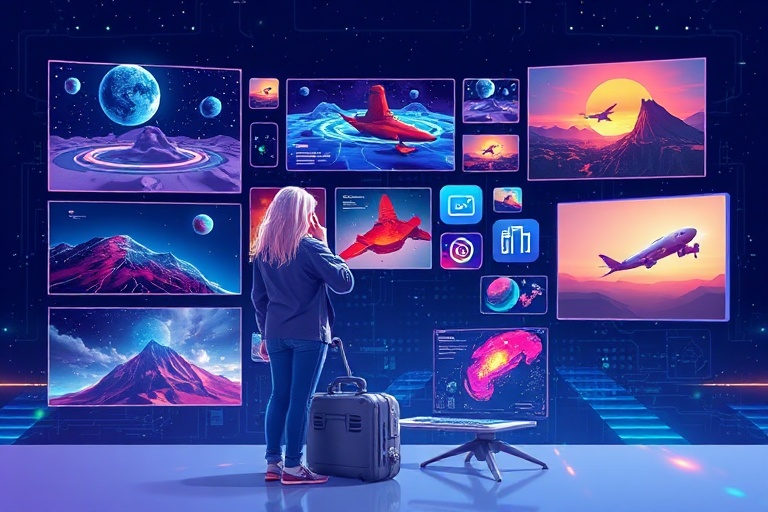
Meta’s new AI image model utilizes advanced algorithms and machine learning techniques to generate high-quality images from simple text prompts. This capability is not just about creating random images; it focuses on contextual understanding, allowing the model to produce visuals that resonate with the intended message or theme. As we explore its impact, it’s essential to understand the core features that make this model stand out:
- Text-to-Image Generation: The model can interpret descriptive prompts and transform them into visually appealing images, enhancing creative possibilities.
- Style Customization: Users can specify artistic styles or themes, allowing for tailored output that aligns with branding or personal preferences.
- High Resolution: The images produced are of high quality, suitable for professional use in marketing, social media, and more.
- Rapid Prototyping: Content creators can quickly generate variations of images, facilitating faster iteration and development processes.
Implications for Content Creators
As content creators begin to adopt Meta’s AI image model, several implications emerge that could redefine their workflows:
- Enhanced Creativity: The model serves as a creative partner, providing inspiration and helping creators visualize concepts that may have been challenging to bring to life manually.
- Time Efficiency: By automating the image creation process, creators can save valuable time that can be redirected towards strategy and content planning.
- Cost-Effectiveness: Smaller businesses and independent creators can produce high-quality visuals without the need for expensive graphic design services or software.
- Reduced Barriers to Entry: With tools that simplify the image generation process, amateurs can engage in content creation without extensive technical skills, democratizing digital artistry.
Industry Implications
The introduction of Meta’s new AI image generator has significant ramifications across various industries:
- Marketing and Advertising: Brands can create personalized marketing materials by generating images that align perfectly with their campaigns, leading to more effective audience engagement.
- Entertainment: In the film and gaming industries, concept art can be rapidly generated, allowing for more dynamic creative sessions and quicker decision-making processes.
- E-commerce: Retailers can produce product images that cater to different themes or styles, enhancing customer experience and driving sales.
- Education: Educational content can be enriched with customized visuals that enhance learning experiences, making complex concepts more accessible.
Future Possibilities
The launch of Meta’s AI image model is just the beginning. Looking ahead, several future possibilities become apparent:
- Integration with Other AI Tools: As AI technology continues to evolve, we may see this image generator integrated with other tools such as video creation and audio editing, providing a comprehensive content generation suite.
- Collaboration with AR/VR: Enhanced visuals could lead to more immersive experiences in augmented and virtual reality platforms, fundamentally changing how we interact with content.
- Ethical Considerations: As with all AI technologies, the implications of copyright and ethical use will need to be explored, ensuring that creators’ rights are protected as they adapt to these new tools.
- Community Development: Meta might foster a community around its AI tools, encouraging collaboration and sharing among creators, which could lead to innovative uses and developments.
Conclusion
Meta’s new AI image model represents a significant leap forward for content creators, providing them with powerful tools to enhance their creative processes. By understanding its capabilities and implications, creators can harness this technology to elevate their work, engage audiences, and drive innovation in their respective fields. As we move forward, the intersection of AI and creativity will undoubtedly continue to evolve, paving the way for an exciting future in digital content creation.