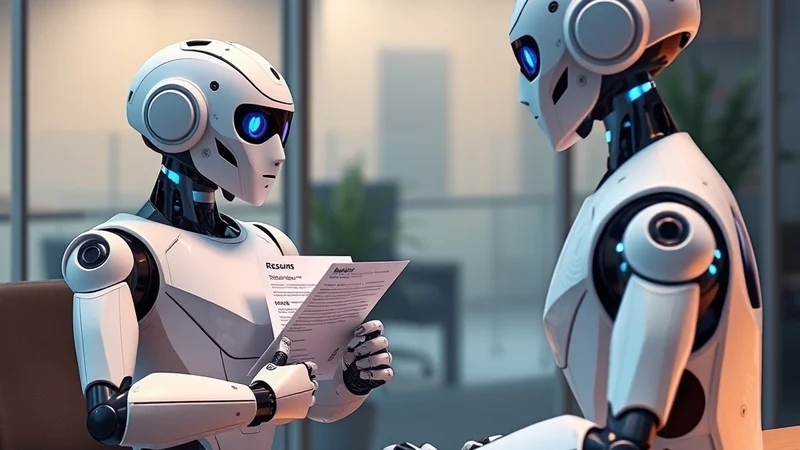
The Rise of AI Agents in the Workplace
As artificial intelligence (AI) continues to advance at a breakneck pace, the workplace is experiencing a significant transformation. AI-driven tools, particularly AI agents, are reshaping job roles and enhancing productivity across various industries. This article explores how these intelligent systems are being integrated into everyday tasks, the implications for workers and businesses, and what the future might hold.
Understanding AI Agents
AI agents are software programs designed to perform tasks that typically require human intelligence. They leverage machine learning, natural language processing, and data analytics to automate processes, make decisions, and provide insights. These agents can range from simple chatbots providing customer service to complex systems that analyze vast amounts of data to inform strategic decisions.
Impact on Job Roles
The introduction of AI agents is redefining job roles in several key ways:
- Automation of Routine Tasks: Many repetitive and mundane tasks can now be automated, allowing employees to focus on higher-value activities. For example, AI can handle data entry, scheduling, and even preliminary analysis of reports.
- Enhanced Decision-Making: AI agents can analyze large datasets quickly, providing insights that assist in decision-making processes. This capability helps workers make informed choices without getting bogged down in data overload.
- Collaboration with Humans: Rather than replacing human workers, AI agents often act as collaborators. They can assist with research, provide suggestions, and streamline communication, enhancing overall team performance.
Industry Implications
Different industries are experiencing unique impacts from the rise of AI agents:
- Healthcare: AI agents are helping healthcare professionals by analyzing patient data, predicting outcomes, and even suggesting treatment plans. This not only increases efficiency but also improves patient care.
- Finance: In finance, AI tools are used for fraud detection, risk assessment, and customer service. They can process transactions and analyze market trends faster than human analysts.
- Retail: Retail businesses employ AI agents for inventory management, personalized marketing, and customer assistance through chatbots, providing a more engaging shopping experience.
- Manufacturing: AI-driven machines are optimizing production lines, predicting maintenance needs, and ensuring quality control, leading to reduced downtime and increased productivity.
Practical Insights for Businesses
To effectively integrate AI agents into the workplace, businesses should consider the following practical insights:
- Identify Suitable Tasks for Automation: Evaluate which tasks can be automated without compromising quality. Focus on processes that are repetitive and time-consuming.
- Invest in Training: Ensure employees are trained to work alongside AI tools. Understanding how to leverage these technologies effectively will maximize productivity and job satisfaction.
- Monitor Performance: Continuously assess the effectiveness of AI agents. Gather feedback from employees to make necessary adjustments and improve the technology.
- Emphasize Ethical Considerations: As AI changes job roles, businesses must address ethical implications, including data privacy and the potential for bias in AI systems.
Future Possibilities
The future of AI agents in the workplace holds exciting potential:
- Increased Personalization: AI agents will become more personalized, adapting to individual worker preferences and workflows to enhance efficiency.
- Greater Integration with IoT: As the Internet of Things (IoT) continues to expand, AI agents will seamlessly interact with connected devices, further automating tasks and improving operational efficiency.
- Advanced Predictive Analytics: The capabilities of AI agents will evolve to include sophisticated predictive analytics, allowing businesses to anticipate market changes and customer needs more accurately.
- Focus on Creativity and Innovation: With routine tasks automated, employees will have more time to engage in creative problem-solving and innovative thinking, driving business growth.
In conclusion, the rise of AI agents in the workplace is not just a trend; it is a fundamental shift that is reshaping job roles and productivity. As businesses continue to embrace these technologies, the collaboration between humans and AI will likely yield new opportunities for growth and innovation. The key will be to navigate this transition thoughtfully, ensuring that both employees and organizations benefit from the advancements in AI.