The Rise of Virtual Try-Ons: AI Fashion Technology
In the rapidly evolving world of fashion, artificial intelligence (AI) is reshaping the way consumers shop. One of the most exciting innovations is the rise of virtual try-ons, which allow shoppers to experience how clothes will look on them without stepping into a fitting room. This technology harnesses advanced algorithms and computer vision to create realistic representations of garments, enabling a seamless shopping experience that caters to the modern consumer’s needs.
Understanding Virtual Try-Ons
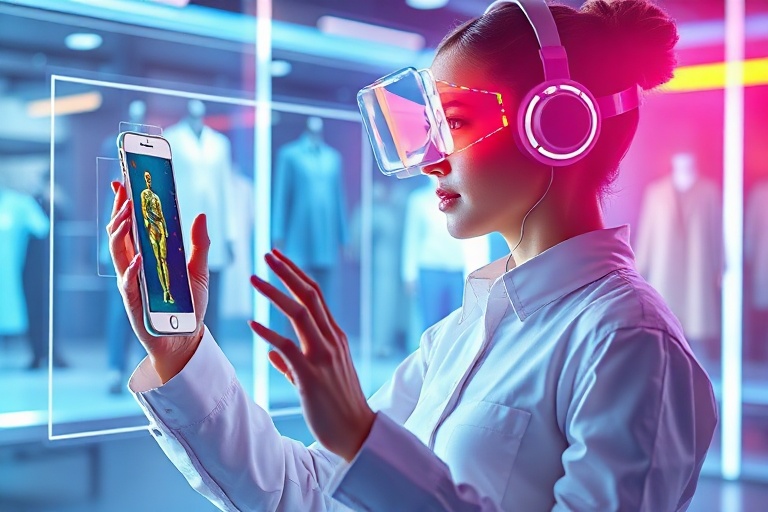
Virtual try-on technology utilizes AI and augmented reality (AR) to enable customers to visualize how clothing will fit and look on their bodies. This innovation has gained traction due to several factors:
- Convenience: Shoppers can try on outfits from the comfort of their homes.
- Time-saving: Reduces the time spent in physical stores, waiting for dressing rooms.
- Personalization: Tailors recommendations based on individual preferences and body types.
How Virtual Try-Ons Work
The underlying technology of virtual try-ons involves several key components:
- 3D Body Scanning: Consumers can create a digital avatar by scanning their body measurements using a smartphone or specialized hardware.
- Computer Vision: This technology processes images to identify body shapes, sizes, and proportions, enabling accurate virtual fittings.
- Augmented Reality: AR overlays clothing onto the user’s live image, allowing them to see how different outfits look in real-time.
These technologies work in tandem to deliver a highly interactive experience. As users move, the clothing adjusts to their movements, providing a lifelike representation.
Industry Implications
The fashion industry is experiencing significant transformations due to the adoption of virtual try-ons:
- Reduced Return Rates: By allowing customers to visualize clothing on themselves, brands can significantly decrease the number of returns, which often stem from poor fit or unrealistic expectations.
- Enhanced Customer Engagement: Virtual try-ons create a more engaging shopping experience, encouraging customers to spend more time exploring products.
- Cost Efficiency: Retailers can save on inventory costs by producing fewer items in physical stores, as customers are more likely to make informed purchase decisions.
Moreover, brands that implement this technology are poised to capture a larger share of the market, as consumers increasingly prefer innovative shopping solutions.
Future Possibilities
The future of virtual try-ons looks promising, with several trends likely to shape its evolution:
- Integration with Social Media: As platforms like Instagram and TikTok continue to thrive, virtual try-ons could leverage these channels for marketing and customer engagement, allowing users to share their looks easily.
- AI-Powered Recommendations: Enhanced AI algorithms will analyze user behavior and preferences to provide personalized outfit suggestions, improving the shopping experience.
- Expansion Beyond Clothing: Virtual try-ons are not limited to apparel. Accessories, shoes, and even makeup are likely to follow suit, creating a holistic virtual shopping experience.
Furthermore, as technology advances, we may witness innovations such as virtual reality (VR) showrooms, where consumers can immerse themselves in a fully virtual shopping environment.
Challenges Ahead
Despite the strides made, several challenges remain in the widespread adoption of virtual try-ons:
- Privacy Concerns: With body measurements being captured, consumers may have valid concerns regarding data privacy and security.
- Technology Accessibility: Not all consumers have access to the necessary technology, such as AR capabilities on smartphones or high-speed internet.
- Accuracy of Fit: While technology has come a long way, ensuring that virtual representations match real-life fit remains a challenge, especially across different body types and clothing styles.
Addressing these challenges will be crucial for brands looking to implement virtual try-on technology effectively.
Conclusion
The rise of virtual try-ons represents a significant shift in the fashion industry, driven by AI and technology. As the market continues to embrace this innovation, consumers can expect a more personalized, efficient, and engaging shopping experience. With ongoing advancements, the future of fashion shopping is set to be more interactive, accessible, and tailored to individual preferences. For tech enthusiasts and professionals, the implications of this technology extend beyond the fashion world, potentially influencing how we interact with products across various industries.