Transforming Selfies into Animated Videos: The Future of Personal Media
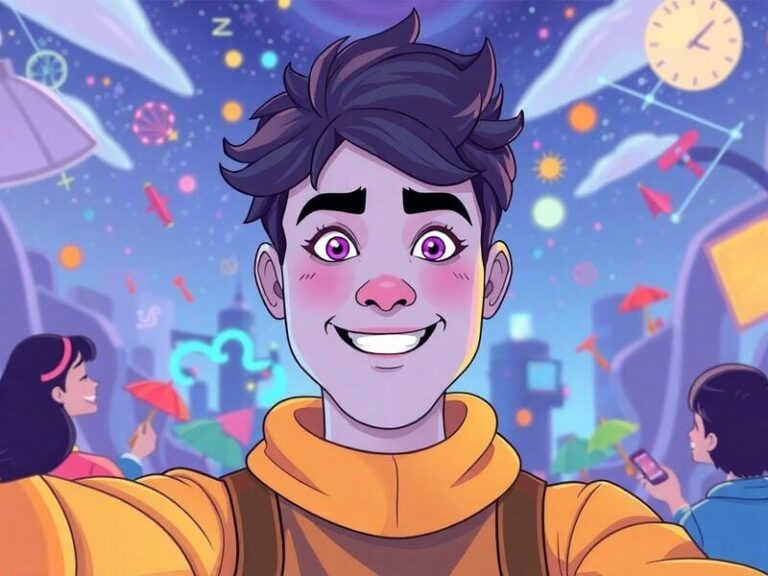
In an age where personal expression and media consumption are rapidly evolving, the advent of artificial intelligence (AI) technologies is reshaping the landscape of content creation. Among the latest innovations is Google Vids, a groundbreaking tool that transforms ordinary selfies into engaging animated videos. This article explores how Google Vids is changing the way we create and share personal stories through AI, delving into its implications for the industry and future possibilities.
The Power of AI in Digital Storytelling
AI has revolutionized many aspects of our lives, and digital storytelling is no exception. Google Vids leverages advanced machine learning techniques to animate static images, allowing users to create compelling narratives without needing extensive video editing skills. This democratization of content creation opens new avenues for personal expression and communication.
- Accessibility: Users with minimal technical expertise can produce high-quality animated content.
- Engagement: Animated videos can capture attention more effectively than static images or text.
- Personalization: AI algorithms can tailor animations to fit individual styles and preferences.
How Google Vids Works
At the heart of Google Vids is a sophisticated AI engine that utilizes computer vision and natural language processing (NLP) to analyze selfies. The following steps summarize the process:
- Image Analysis: The AI examines the selfie to understand facial features, expressions, and context.
- Animation Generation: Based on the analysis, the system applies pre-defined animations that match the user’s expression and context.
- Story Integration: Users can add voiceovers, background music, and text overlays to enhance their narratives.
- Sharing: Once completed, the animated video can be shared across various social media platforms.
Practical Insights for Users
For individuals looking to leverage Google Vids, several practical insights can enhance the user experience:
- Choose the Right Selfies: High-quality images with clear facial expressions yield better animation results.
- Experiment with Styles: Users should explore different animation styles to find what resonates with their audience.
- Utilize Storytelling Techniques: Incorporating a narrative arc—introduction, conflict, resolution—can make videos more engaging.
Industry Implications
The rise of AI-driven tools like Google Vids has significant implications for various industries:
- Marketing and Advertising: Brands can utilize animated user-generated content to foster deeper connections with their audiences.
- Education: Educators can create personalized learning materials that engage students more effectively.
- Entertainment: Independent creators can produce high-quality content without the need for professional resources.
Future Possibilities
As AI technology continues to advance, the future of personal media creation is promising:
- Enhanced Customization: Future iterations of Google Vids may allow for even greater customization, enabling users to create unique animations tailored to specific themes or emotions.
- Integration with Virtual Reality (VR): The potential for VR integration could create immersive storytelling experiences that combine animated videos with virtual environments.
- Collaboration Features: Future updates might introduce collaborative tools, allowing multiple users to contribute to a single animated story.
Conclusion
Google Vids represents a significant leap in the intersection of AI and personal media. By transforming selfies into animated videos, it empowers users to share their stories in new and engaging ways. As we look to the future, the integration of AI technologies in content creation will undoubtedly continue to evolve, providing exciting opportunities for expression and innovation.