Voice-Led AI Bands: The Future of Interactive Music
The intersection of artificial intelligence and music has evolved dramatically over the past few years. With the rise of voice-led AI bands, we are witnessing a new era of interactive music creation that not only redefines how music is produced but also how artists and listeners engage with each other. This article will explore the technological innovations driving this trend, the implications for the music industry, and future possibilities that could reshape the way we experience music.
The Rise of AI in Music Creation
Artificial intelligence has permeated various aspects of music creation, from composition to production. The integration of AI tools has enabled musicians to enhance their creative processes, resulting in unique soundscapes and styles. Here are some key developments:
- Algorithmic Composition: AI algorithms can analyze vast datasets of music to generate new compositions. Tools like OpenAI’s MuseNet and Google’s Magenta project have showcased the potential of AI to create music in various genres.
- Real-time Collaboration: With voice-led functionalities, AI can now work alongside human musicians to develop tracks in real-time, allowing for a dynamic and interactive creative process.
- Personalized Music Experiences: AI can tailor music recommendations based on listener preferences, creating a more engaging and customized experience.
Voice-Led AI Bands: The New Frontier
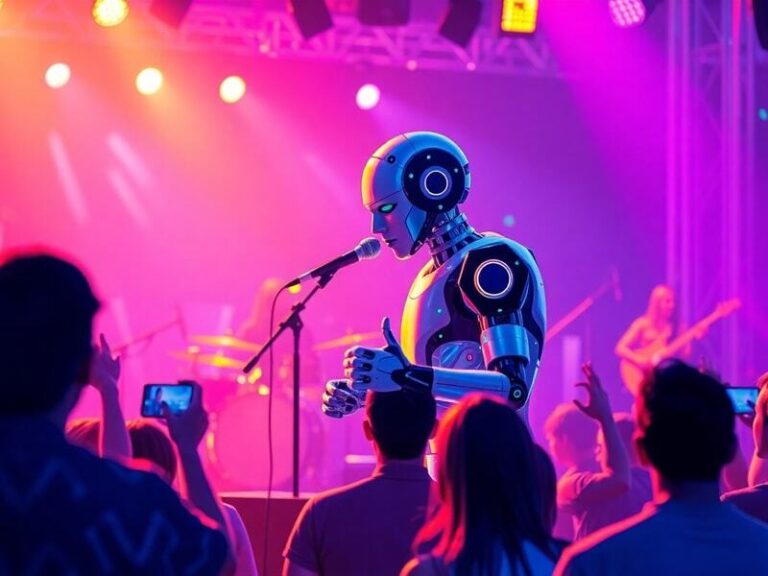
Voice-led AI bands represent a significant leap forward in music interaction. These AI systems can generate music in response to vocal commands, allowing for unprecedented interactivity. The following aspects illustrate their growing influence:
- Interactive Performances: Imagine attending a concert where the audience can influence the music dynamically through voice commands. AI bands can adapt their performance based on real-time feedback from listeners, creating a unique experience for every show.
- Creative Collaborations: Artists can collaborate with AI bands to explore new musical territories. This partnership can lead to innovative sounds and compositions that might not be possible with human musicians alone.
- Accessibility in Music Creation: Voice-led AI bands lower the barrier for aspiring musicians. Even those without formal training can create music simply by vocalizing their ideas, making music creation more inclusive.
Industry Implications
The emergence of voice-led AI bands is reshaping the music industry in several ways:
- Changing Roles of Musicians: As AI takes on more creative functions, the role of musicians may evolve. Artists might focus more on the conceptual and emotional aspects of music, while AI handles technical execution.
- New Business Models: The ability to create personalized and interactive experiences could lead to new revenue streams for musicians and producers. Subscription models for exclusive AI-generated content or concert tickets that offer unique, real-time interactions are just a few possibilities.
- Intellectual Property Challenges: The rise of AI-generated music raises questions about copyright and ownership. Who owns a song created by an AI? This is an area that will require careful legal consideration as the technology advances.
Future Possibilities
The future of voice-led AI bands is bright, with numerous possibilities on the horizon:
- Enhanced User Interaction: As technology advances, we can expect even more sophisticated AI systems capable of understanding complex vocal commands and emotions, allowing for deeper interactions.
- Integration with Virtual Reality: Imagine experiencing a virtual concert where AI bands perform in a fully immersive environment, tailored to individual preferences and interactions.
- Global Collaboration: AI can facilitate cross-cultural musical collaborations, breaking down language barriers and allowing artists from different backgrounds to create together, enriching the global music landscape.
In conclusion, voice-led AI bands signify a transformative moment in the music industry. By harnessing the capabilities of artificial intelligence, musicians and listeners can engage in unprecedented ways, creating rich, interactive experiences that redefine the boundaries of music creation. As technology continues to evolve, the future of music will undoubtedly become more collaborative, inclusive, and innovative.