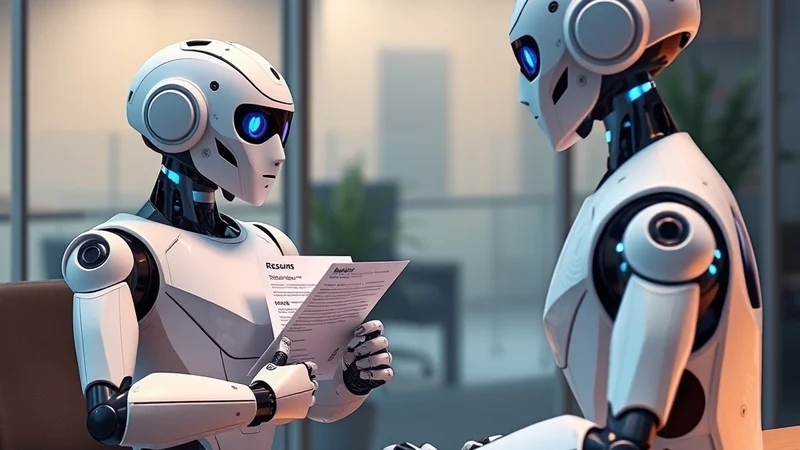
AI Agents Struggle with Real Freelance Work: A Study Reveals AI’s Limitations in Completing End-to-End Projects
The rise of artificial intelligence (AI) has transformed various sectors, including freelance work, where AI tools have been touted as potential game-changers. However, a recent study has brought to light the challenges AI agents face in executing end-to-end projects, revealing significant limitations in their capabilities. This article delves into the findings of the study, offering insights into the implications for industries reliant on freelance talent and speculating on the future of AI in real-world applications.
The Study: Key Findings
The study, conducted by researchers at a leading technology institute, assessed multiple AI agents on their ability to handle freelance tasks that require creativity, critical thinking, and project management skills. The results were eye-opening:
- Limited Context Understanding: AI agents struggled to grasp the nuances of project requirements, often misinterpreting client needs due to a lack of contextual awareness.
- Difficulty in Creativity: While AI can generate content and ideas, the study found that these outputs often lacked the originality and emotional depth that human freelancers provide.
- Inadequate Project Management: Managing timelines, communicating with clients, and adapting to changing project scopes were areas where AI agents fell short.
- Quality Control Issues: The variability in the quality of work produced by AI agents was a major concern, with outputs often requiring significant human intervention to meet professional standards.
Implications for the Freelance Economy
The findings of the study have profound implications for the freelance economy and the role of AI within it. As businesses increasingly integrate AI tools into their workflows, understanding the limitations of these technologies is crucial.
- Human-AI Collaboration: The study highlights the need for a collaborative approach where AI tools serve as assistants rather than replacements for human freelancers. AI can automate mundane tasks, allowing humans to focus on creative and strategic elements.
- Enhanced Training for AI: To bridge the gap between AI capabilities and human expectations, there must be a concerted effort to improve AI training datasets, focusing on real-world scenarios and diverse project types.
- Client Education: Clients must be educated about the strengths and limitations of AI tools, ensuring they set realistic expectations when incorporating these technologies into their projects.
Future Possibilities
While the current study presents a stark view of AI’s limitations in freelance work, it also opens doors to exciting future possibilities. Here are a few areas where advancements could enhance AI’s capabilities:
- Natural Language Processing (NLP) Improvements: Advances in NLP could enable AI to better understand and generate human-like responses, making it more effective in client communications.
- Integration of Emotional Intelligence: Developing AI that can recognize and respond to human emotions could improve its ability to create tailored content, enhancing client satisfaction.
- Adaptive Learning Systems: Future AI agents could employ adaptive learning techniques, allowing them to learn from past interactions and improve their project management skills over time.
- Collaboration Platforms: Building AI-driven platforms that facilitate seamless collaboration between human freelancers and AI tools could improve project outcomes and efficiency.
As technology continues to evolve, the potential for AI in freelance work remains vast, but it is clear that the path forward is one of collaboration rather than replacement. By leveraging the strengths of both AI and human freelancers, industries can harness the best of both worlds, driving innovation while maintaining the essential human touch.
Conclusion
The study’s findings serve as a crucial reminder that while AI agents show promise in automating certain aspects of freelance work, they are not yet equipped to handle the complexities of end-to-end project execution. Emphasizing a collaborative framework allows industries to maximize the benefits of AI while acknowledging its current limitations. As we look to the future, continuous improvements in AI technology will be essential to better serve the evolving needs of the freelance economy.