Gemini’s Latest Features: TTS and Mac Integration
In an era where technology continues to redefine communication, Gemini 3.1 Flash TTS (Text-to-Speech) stands out as a remarkable innovation that enhances voice control and accessibility across multiple languages. This latest iteration not only streamlines user interaction but also integrates seamlessly with Mac systems, providing an intuitive experience for both casual users and professionals. In this article, we’ll delve into the new features of Gemini’s TTS, its implications for various industries, and the future possibilities it presents.
What is Gemini 3.1 Flash TTS?
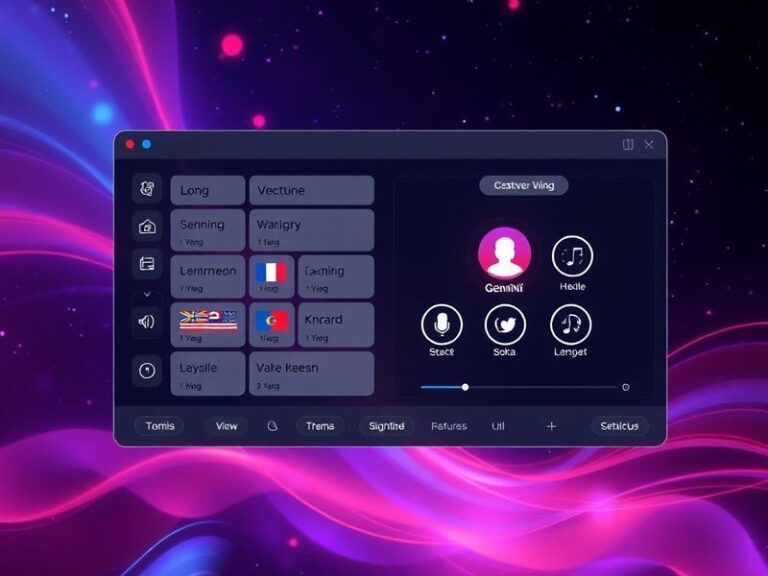
Gemini 3.1 Flash TTS is an advanced text-to-speech system designed to convert written text into natural-sounding speech. Built with cutting-edge machine learning algorithms, it mimics human-like intonation and emotion, making it easier for users to interact with technology. Its latest features include:
- Multi-Language Support: Users can switch between languages effortlessly, making it a versatile tool for global communication.
- Voice Customization: Users can choose from various voice profiles, adjusting pitch, speed, and tone to meet personal preferences.
- Emotional Tone Adjustment: Gemini can convey emotions accurately, enhancing the user experience in storytelling and virtual interactions.
- Mac Integration: The seamless integration with Mac OS enhances functionality, allowing users to utilize TTS across different applications without a hitch.
Practical Insights: Enhancing Voice Control and Accessibility
The integration of Gemini 3.1 Flash TTS into the Mac ecosystem opens up a plethora of possibilities for enhancing voice control and accessibility. Here are some practical insights into how these features can significantly impact users:
- Assistive Technology: With its natural-sounding voices and language support, Gemini can serve as an essential tool for individuals with disabilities, providing them with better access to information and communication.
- Education: Educators can leverage TTS to create engaging learning materials that cater to different learning styles, enhancing comprehension and retention for students.
- Content Creation: Writers and content creators can utilize Gemini for proofreading and editing, allowing them to hear their work read aloud, which can unveil errors or awkward phrasing.
- Customer Support: Businesses can implement TTS in customer service applications, providing automated assistance that feels more personal and engaging.
Industry Implications
The implications of Gemini 3.1 Flash TTS extend beyond individual users to impact various industries profoundly:
- Healthcare: Medical professionals can use TTS to read patient information and care instructions aloud, ensuring clarity and understanding.
- Media and Entertainment: The entertainment industry can explore new avenues for interactive content, audio books, and even video games, enhancing user immersion.
- Marketing: Marketers can create more engaging advertising content via interactive voice ads, tailoring messages to specific audience segments.
- Localization: Businesses looking to expand globally can use the multi-language capabilities of Gemini to localize their content, making it more accessible to diverse audiences.
Future Possibilities
As we look to the future, the advancements in AI-driven TTS like Gemini 3.1 present exciting possibilities:
- Integration with Virtual Reality (VR): Imagine a VR environment where characters can speak in real-time, powered by TTS, making experiences more immersive.
- Personal Assistants: Future developments could further enhance personal assistant applications, allowing for more natural conversation flows.
- Emotional AI: The ability to convey emotions through TTS could evolve, allowing for even deeper interactions in fields like therapy and education.
- Global Collaboration: As businesses become more global, the demand for effective communication tools will grow, making TTS a vital component in collaborative technologies.
In conclusion, Gemini 3.1 Flash TTS is not just a tool for converting text into speech; it’s a catalyst for change in how we interact with technology across various domains. Its features, especially the Mac integration and multi-language support, highlight the ongoing evolution of AI and its capacity to enhance our daily lives. As we continue to explore the potential of such technologies, the future looks promising for voice control and accessibility on a global scale.