Academic Integrity in the Age of AI: Challenges and Adaptations
As artificial intelligence (AI) continues to evolve and permeate various sectors, the educational landscape is experiencing significant shifts. One of the most pressing issues educators face today is the challenge of maintaining academic integrity amidst the rise of AI-assisted cheating. With tools like AI writing assistants and advanced plagiarism detection software becoming ubiquitous, educators are forced to rethink traditional assessment methods and embrace innovative solutions.
The Rise of AI in Education
AI technologies offer numerous benefits to both students and educators, enhancing learning experiences through personalization and efficiency. However, this same technology can be exploited for dishonest practices. The availability of AI-driven tools that can generate essays, solve complex math problems, or even write code has raised concerns about the authenticity of student work.
- Accessibility: AI tools are easily accessible to students, making it tempting to rely on them for completing assignments.
- Quality of Output: The quality of work produced by AI can often surpass that of a typical student, making it difficult for educators to identify cheating.
- Shift in Learning Dynamics: The reliance on AI can undermine the learning process, as students may prioritize getting a good grade over understanding the material.
Adapting Assessment Methods
To counteract the challenges posed by AI-assisted cheating, educators are exploring various strategies to adapt their assessments. Here are some innovative approaches:
- Open-Book and Open-Resource Assessments: By allowing students to use resources during exams, educators can focus on evaluating critical thinking and problem-solving skills rather than rote memorization.
- Project-Based Learning: Assignments that require students to engage in real-world projects can encourage original work, as these tasks often demand collaboration, creativity, and practical application of knowledge.
- Oral Examinations: Incorporating verbal assessments can help educators gauge a student’s understanding and ability to articulate concepts, making it harder to rely on AI tools.
- Emphasizing Process Over Product: Educators can assess the steps taken to complete a project, encouraging students to document their work process and reflections.
Leveraging Technology for Integrity
While AI poses challenges, it also offers solutions to uphold academic integrity. Here are some technological advancements being utilized:
- Plagiarism Detection Software: Advanced tools can analyze and detect AI-generated content, allowing educators to maintain rigorous standards.
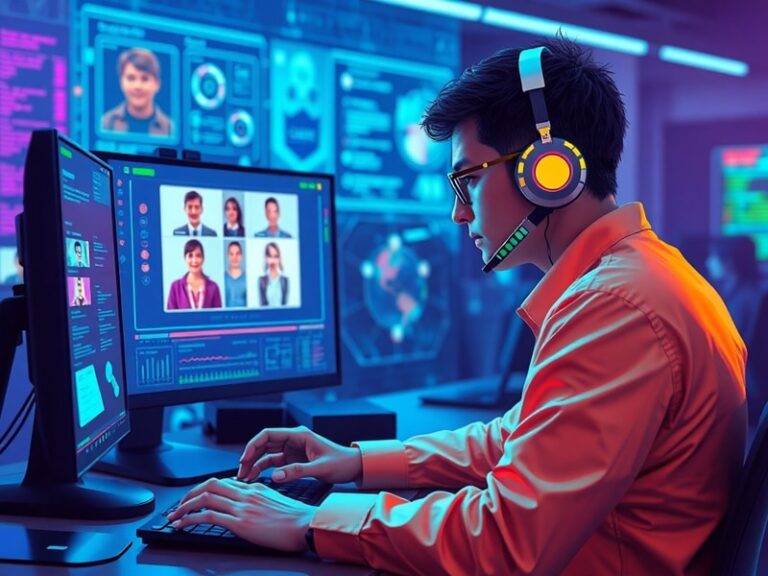
- AI-Assisted Proctoring: Online assessments can employ AI technologies to monitor students during exams, ensuring they adhere to integrity standards.
- Blockchain for Credential Verification: Using blockchain technology, educational institutions can create immutable records of student work, making it easier to verify authenticity.
The Role of Educators in Fostering Integrity
Educators play a crucial role in instilling the values of academic integrity in their students. Here are some practices they can adopt:
- Education on Ethics: Incorporating lessons on academic ethics and the implications of cheating can help students understand the importance of integrity.
- Creating a Trusting Environment: Fostering a culture of trust and open communication can encourage students to seek help rather than resort to dishonest practices.
- Providing Support: Offering resources and tools to assist students in their learning can reduce the temptation to cheat.
Future Possibilities
As AI technology continues to evolve, the educational landscape will need to adapt accordingly. Here are some future possibilities:
- AI-Enhanced Learning Environments: Future classrooms may integrate AI systems that adapt to individual learning styles, making it less likely for students to seek shortcuts.
- Collaborative AI Tools: Developing AI tools that promote collaboration rather than competition can enhance learning experiences without compromising integrity.
- Policy Development: Institutions may need to establish clearer policies regarding the acceptable use of AI tools in academic work to safeguard integrity.
In conclusion, while the rise of AI presents significant challenges to academic integrity, it also offers innovative solutions that can enhance educational practices. By adapting assessment methods, leveraging technology, and fostering a culture of integrity, educators can navigate the complexities of the digital age while promoting authentic learning experiences.