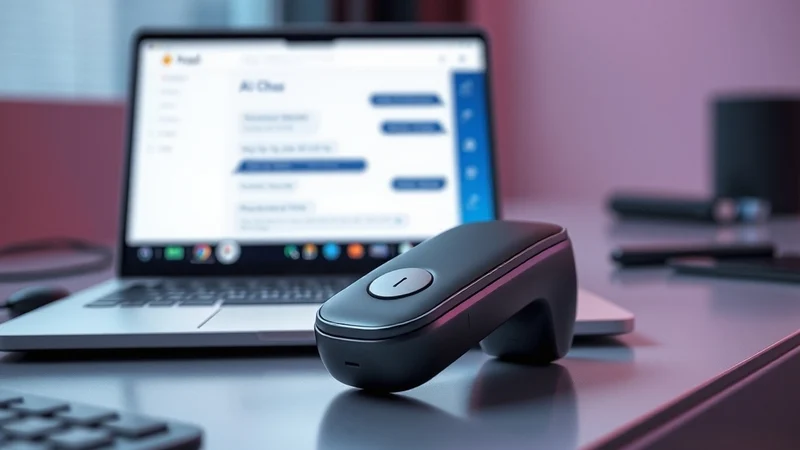
Claude’s Voice Mode: Enhancing Communication
In a world increasingly driven by the need for efficiency and productivity, the integration of artificial intelligence into our daily workflows has become paramount. One of the most revolutionary advancements in this domain is Claude’s Voice Mode, a feature that harnesses the power of AI to enhance communication, particularly in task management and email drafting. This article explores how Claude’s voice capabilities transform the way professionals interact with technology, leading to significant improvements in productivity and collaboration.
Understanding Claude’s Voice Capabilities
Claude, an advanced AI model, has been designed to facilitate natural language processing and understanding. With its voice mode, users can engage with the AI in a conversational manner, making it a powerful tool for various applications. The voice capabilities of Claude enable it to:
- Recognize and interpret spoken language: Users can issue commands or ask questions verbally, streamlining interactions.
- Generate spoken responses: Claude can articulate replies in a natural-sounding voice, making communication feel more human-like.
- Transcribe audio to text: This allows for easy documentation of conversations or brainstorming sessions.
These features combine to create a seamless communication experience, enhancing task management and email drafting processes.
Enhancing Task Management
Effective task management is critical for any organization, and Claude’s voice capabilities offer a range of benefits:
- Hands-Free Operation: With voice commands, users can create, update, or delegate tasks without needing to manually type or navigate through applications. This allows for multitasking and smoother workflow transitions.
- Immediate Feedback: Users can ask Claude for updates on task statuses or deadlines and receive instant feedback, reducing the need for time-consuming follow-ups.
- Natural Interaction: Speaking to Claude feels intuitive, which can reduce the barrier to using technology for task management, especially for individuals who may struggle with traditional interfaces.
The implications of these enhancements are significant. Teams can operate more efficiently, as the time spent on administrative tasks is minimized. Moreover, this can lead to a more engaged workforce, as employees feel empowered to manage their tasks more effectively.
Revolutionizing Email Drafting
Email communication remains a cornerstone of professional interaction. Claude’s voice capabilities revolutionize this process in several ways:
- Drafting Emails Quickly: Users can dictate their messages, and Claude can draft them in real-time, reducing the time spent on email composition.
- Contextual Understanding: Claude can utilize previous interactions and context to tailor emails, ensuring that the tone and content are appropriate for the recipient.
- Language and Style Adaptation: Claude’s ability to adjust language style based on the user’s preferences or the audience’s expectations can enhance the effectiveness of communication.
By automating the email drafting process, Claude not only saves time but also enhances the quality of communication. This is particularly beneficial in fast-paced environments where clear and effective communication is crucial.
Practical Insights and Industry Implications
The practical applications of Claude’s voice mode extend beyond individual users. Organizations can leverage these capabilities to foster collaboration and streamline workflows:
- Training and Onboarding: New employees can benefit from voice-guided tutorials and task management systems, making the learning curve less steep.
- Enhanced Customer Interactions: Sales teams can use Claude to prepare for client meetings or draft proposals, ensuring they present their ideas clearly and effectively.
- Data Collection and Analysis: Voice interactions can facilitate quicker data entry and retrieval, allowing teams to focus on analysis rather than administrative tasks.
Industries such as healthcare, finance, and education stand to gain immensely from these advancements. For instance, healthcare professionals can efficiently document patient interactions, while educators can streamline communication with students and parents.
Future Possibilities
As AI technology continues to evolve, the future possibilities for Claude’s voice capabilities are boundless. Potential advancements may include:
- Multi-Language Support: Expanding voice capabilities to support multiple languages could facilitate global communication and collaboration.
- Emotion Recognition: Enhancing AI to detect and respond to emotional cues in voice could lead to more empathetic interactions.
- Integration with Other Tools: Seamless integration with project management software, calendars, and CRM systems could create a unified communication platform.
These innovations could lead to even greater efficiency and effectiveness in task management and communication, fundamentally changing the way we interact with technology in professional environments.
In conclusion, Claude’s voice mode represents a significant leap forward in enhancing communication through AI. By improving task management and email drafting, Claude not only boosts individual productivity but also transforms organizational workflows. As we look to the future, the ongoing development of these capabilities promises to unlock new levels of efficiency and innovation across various industries.