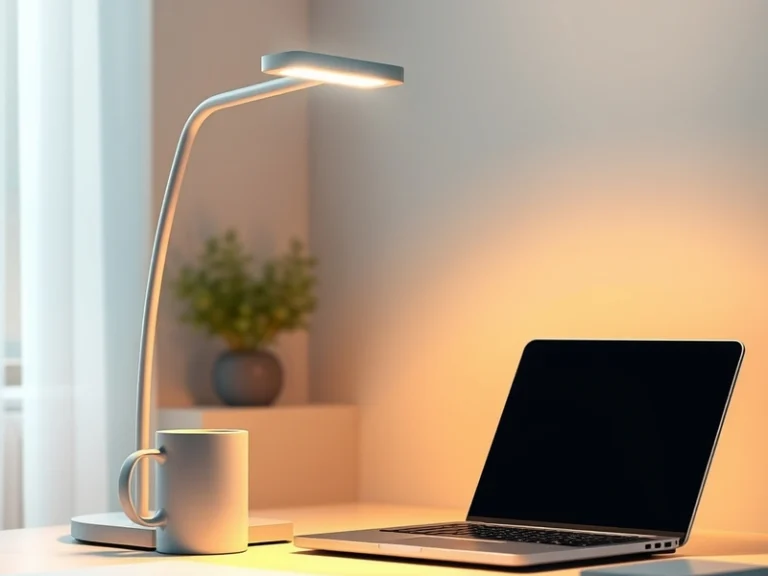
The integration of artificial intelligence into workspace lighting is transforming traditional desk lamps into sophisticated personal assistants, aiming to boost productivity and enhance user well-being. This evolving category of “autonomous lamps” moves beyond simple smart lighting control, leveraging AI to proactively manage ambient conditions and interact with users in dynamic, context-aware ways.
At its core, the value proposition of an AI-powered lamp lies in its ability to adapt and respond to the immediate environment and user needs without explicit instruction. Unlike smart bulbs that require manual or scheduled adjustments, these intelligent luminaires employ a suite of sensors and machine learning algorithms to make autonomous decisions. This capability extends beyond merely turning on or off; it encompasses nuanced adjustments to brightness, color temperature, and even light direction.
Enhancing Productivity Through Intelligent Illumination
The primary benefit of autonomous lamps in a professional setting is their potential to optimize the visual environment for sustained focus and reduced eye strain. Research into ergonomics and circadian rhythms has long highlighted the impact of lighting on human performance and health. AI-driven lamps leverage these insights to create a responsive workspace:
- Circadian Rhythm Synchronization: By tracking the time of day and external light conditions, these lamps can adjust their color temperature to mimic natural light cycles. Cooler, bluer light in the morning can help promote alertness, gradually shifting to warmer, amber tones in the evening to prepare the user for winding down.
- Task-Specific Lighting: AI can infer the user’s activity based on calendar entries, computer usage patterns, or even voice commands. For instance, it might brighten and cool the light for a detailed reading task, or dim and warm it for a video call.
- Ambient Light Compensation: Equipped with ambient light sensors, the lamp can automatically compensate for changing natural light, ensuring consistent illumination levels and preventing glare or excessive contrast that can lead to fatigue.
- Presence Detection: Using motion or presence sensors, an autonomous lamp can activate when a user approaches their desk and deactivate when they leave, saving energy and providing immediate illumination without manual interaction.
AI as a Workspace Assistant
Beyond passive light adjustments, autonomous lamps are designed to function as active personal assistants. This involves deeper integration with digital ecosystems and more direct user interaction. The ambient nature of a lamp, often positioned centrally in a workspace, makes it a suitable hub for subtle, non-intrusive assistance.
Key interactive features include:
- Voice Control and Interaction: Many intelligent lamps integrate natural language processing, allowing users to control lighting settings, inquire about schedules, or even initiate tasks through voice commands. This builds on the established paradigm of voice assistants like Amazon Alexa or Google Assistant, embedding similar capabilities into a dedicated workspace device.
- Notification Delivery: Rather than relying solely on screen-based alerts, an autonomous lamp can use subtle light cues to signal important notifications. A gentle change in color or a brief pulse of light could indicate a new email, a calendar reminder, or a message from a team member, providing ambient awareness without interrupting flow.
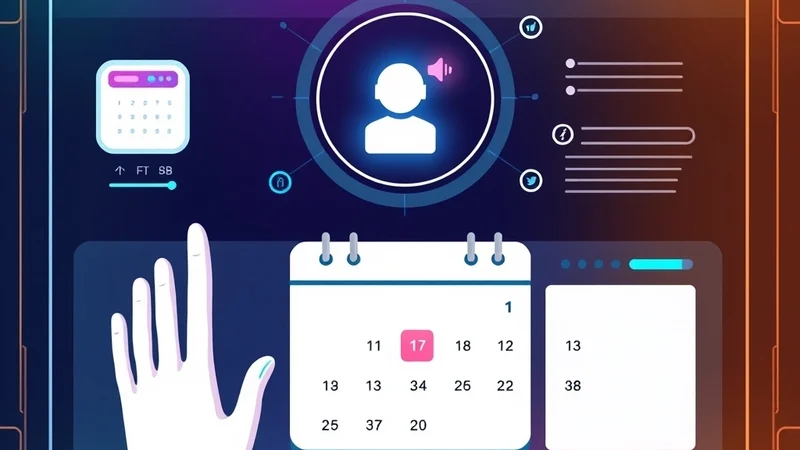
- Integration with Productivity Tools: These systems can connect with popular calendar applications, project management software, and communication platforms. For example, a lamp could automatically adjust lighting for an upcoming video conference or gently remind a user of a looming deadline.
- Personalized Learning: Through continuous observation of user preferences and routines, the AI can learn and anticipate needs. If a user consistently prefers a specific lighting setup for creative work or always dims the lights for focused reading, the lamp can begin to make these adjustments autonomously over time.
Technological Foundations and Considerations
The capabilities of autonomous lamps rely on a convergence of several technologies. Miniaturized sensor arrays, including ambient light sensors, passive infrared (PIR) sensors for motion detection, and microphones, provide the necessary environmental data. On-device processing, often leveraging edge AI, enables rapid response and some degree of privacy by processing sensitive data locally. For more complex tasks like natural language understanding or integration with cloud services, connectivity to cloud-based AI platforms is essential.
However, the advancement of these devices also brings considerations for users and developers. Data privacy is paramount, especially for devices equipped with microphones and potentially cameras, which are constantly monitoring the workspace. Transparency about data collection and processing practices is crucial for user trust. Furthermore, interoperability with existing smart home and office ecosystems remains a challenge, as users seek seamless integration rather than siloed devices.
As AI continues to mature and integrate into our daily lives, autonomous lamps represent a compelling example of how intelligent systems can move beyond screens and speakers to enhance our physical environments. By transforming a utilitarian object into a proactive assistant, these devices offer a glimpse into a future where our workspaces are not just smart, but truly intuitive and responsive to our needs.