Grok Voice Agents: Revolutionizing Customer Interaction
In the fast-paced world of customer service, organizations are continually seeking innovative solutions to enhance user experience and streamline operations. Grok’s voice agents represent a significant leap forward in this domain, utilizing cutting-edge artificial intelligence technologies to manage real phone calls seamlessly across multiple languages. This article delves into how Grok’s voice agents are changing the landscape of customer interaction, their practical applications, and the future possibilities they bring to various industries.
Understanding Grok Voice Agents
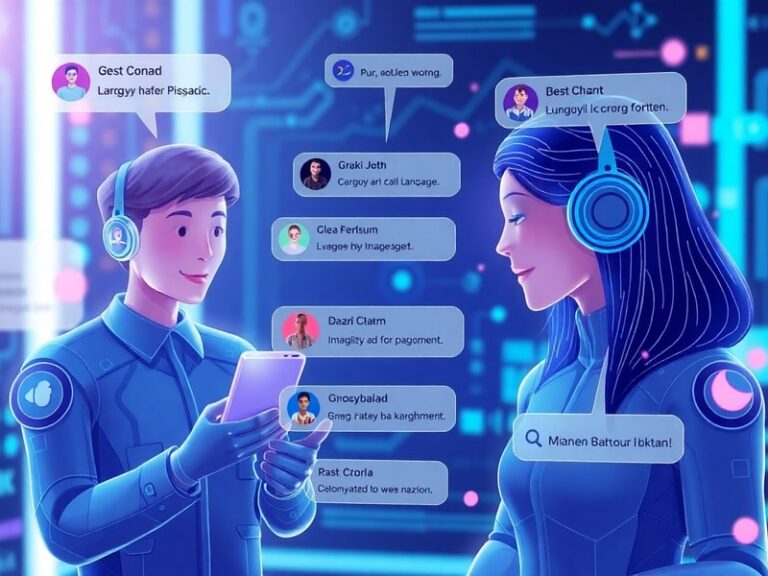
Grok voice agents are designed to mimic human conversation, making them exceptionally adept at handling customer inquiries, complaints, and requests in a natural and engaging manner. Leveraging advanced Natural Language Processing (NLP) and machine learning algorithms, these voice agents are capable of understanding context, tone, and even emotional cues during interactions.
- Multilingual Capabilities: One of the standout features of Grok’s technology is its ability to operate in multiple languages, which is vital for businesses with a global customer base.
- Real-Time Learning: Grok voice agents continuously learn from each interaction, improving their responses and understanding over time.
- Seamless Integration: These agents can be easily integrated into existing customer service frameworks, reducing the time and resources required for implementation.
Practical Insights: How Grok Enhances Customer Interaction
The practical applications of Grok voice agents are vast and varied. Here are some of the key ways they are enhancing customer interaction:
- 24/7 Availability: Grok voice agents provide round-the-clock service, ensuring that customers can receive assistance at any time, improving satisfaction and retention rates.
- Reduced Wait Times: By automating responses to common queries, Grok significantly reduces the time customers spend waiting for assistance, creating a more efficient service experience.
- Personalized Interaction: With the ability to analyze customer data and preferences, Grok can offer tailored responses that meet individual needs, making interactions more relevant and effective.
- Cost Efficiency: Implementing voice agents can substantially decrease operational costs associated with human staffing while maintaining high service quality.
Industry Implications
The introduction of Grok voice agents is not just a technological advancement; it has profound implications for various industries:
- Retail: Retailers can utilize Grok voice agents to manage inquiries regarding product availability, order status, and returns, significantly improving customer experience.
- Healthcare: In healthcare, these agents can assist patients in scheduling appointments, answering common health-related queries, and even triaging symptoms.
- Finance: Financial institutions can deploy Grok voice agents to handle routine banking inquiries, fraud alerts, and transaction disputes, enhancing security and efficiency.
Furthermore, the ability to communicate in multiple languages positions Grok as a leader in global customer service solutions. As businesses continue to expand internationally, the demand for multilingual support becomes critical, and Grok’s voice agents fulfill this need effectively.
Future Possibilities: Where is Grok Heading?
The future of Grok voice agents is bright, with several exciting developments on the horizon:
- Enhanced Emotional Intelligence: Future iterations may incorporate advanced emotional intelligence, allowing agents to respond more empathetically based on the customer’s emotional state.
- Deeper Learning Algorithms: As machine learning technology evolves, Grok agents could become even more adept at understanding complex queries and providing solutions.
- Broader Integration: We can expect Grok to integrate more seamlessly with IoT devices, enabling voice agents to assist customers in managing smart home technologies, for example.
Additionally, as privacy concerns continue to grow, Grok is likely to focus on developing robust security measures to protect customer data, ensuring that organizations can implement these voice agents with confidence.
Conclusion
Grok voice agents are at the forefront of a technological revolution in customer interaction. By combining AI, machine learning, and multilingual capabilities, they not only enhance customer service efficiency but also pave the way for innovative solutions across various sectors. As we look to the future, the possibilities for Grok’s voice agents are endless, promising an exciting era of more intelligent, empathetic, and effective customer interactions.