Renting Humanoid Robots: A New Era in Automation
The rise of humanoid robots in various industries marks a significant shift in how businesses approach automation and customer engagement. The trend of renting robots has gained traction, offering unique advantages across sectors such as healthcare, hospitality, and events. This article delves into the implications of this growing phenomenon, examining the practical insights, industry impact, and future possibilities of renting humanoid robots.
The Growing Trend of Renting Robots
As technology advances, the barriers to entry for utilizing robotics in business have decreased. Renting humanoid robots allows organizations to leverage cutting-edge technology without the burden of high capital investment. Here are some key factors driving this trend:
- Cost-Effectiveness: Renting eliminates the upfront costs associated with purchasing robots, making advanced technology accessible to small and medium-sized enterprises.
- Flexibility: Businesses can rent robots for specific events, seasons, or projects, allowing for optimal resource allocation without long-term commitments.
- Rapid Technological Advancements: The fast-paced evolution of AI and robotics means that renting provides access to the latest models, ensuring businesses stay competitive.
Applications Across Industries
Humanoid robots are finding applications in various sectors, each benefiting from the unique capabilities these machines offer. Below are some notable examples:
1. Healthcare
In the healthcare sector, humanoid robots are being utilized for a range of functions:
- Patient Assistance: Robots can help with patient mobility, medication reminders, and companionship, enhancing patient care.
- Telemedicine: Robots equipped with communication tools can facilitate remote consultations, bridging the gap between patients and healthcare providers.
2. Hospitality
Hotels and restaurants are increasingly employing humanoid robots to improve customer service:
- Concierge Services: Robots can provide information, assist with check-in processes, and even deliver room service.
- Entertainment: Humanoid robots can engage guests through interactive experiences, making events memorable.
3. Events and Marketing
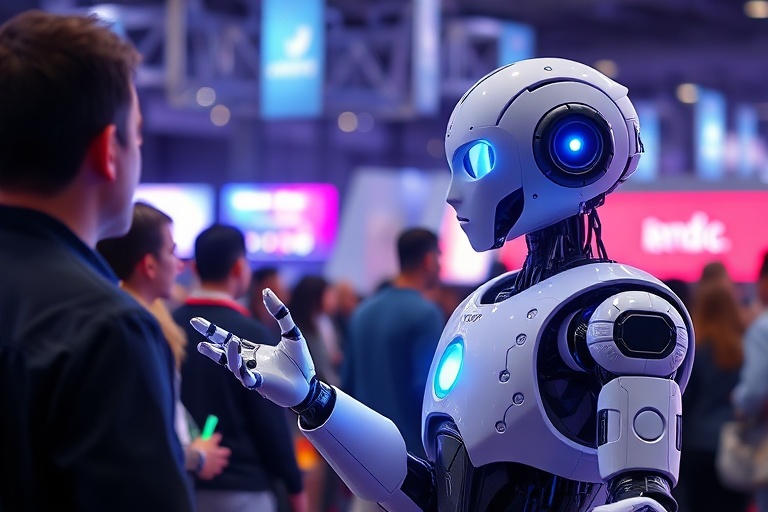
At trade shows, exhibitions, and corporate events, humanoid robots serve as attention-grabbers:
- Brand Ambassadors: Robots can engage attendees, distribute promotional materials, and provide product demonstrations.
- Interactive Displays: By employing AI, robots can personalize interactions, creating unique experiences for each visitor.
Industry Implications
The shift towards renting humanoid robots has significant implications for various industries:
- Workforce Dynamics: As robots take over repetitive tasks, the nature of human jobs will evolve. Employees may shift towards roles that require emotional intelligence, creativity, and complex problem-solving.
- New Business Models: Companies specializing in robotics rentals will emerge, providing maintenance and support services, thereby creating new economic opportunities.
- Ethical Considerations: As humanoid robots become commonplace, ethical concerns regarding their use, privacy, and job displacement will need to be addressed.
Future Possibilities
The future of renting humanoid robots is promising, with several trends likely to shape the landscape:
- Improved AI Integration: As AI continues to advance, humanoid robots will become more capable of understanding and responding to human emotions and behaviors.
- Customization and Personalization: Renting companies may offer tailored solutions, allowing businesses to customize robots based on their specific needs.
- Increased Adoption in Education: Schools may begin renting robots to assist in teaching STEM subjects, fostering a new generation’s interest in technology.
- Global Expansion: As awareness and acceptance of humanoid robots grow, markets in developing countries will likely adopt this technology, enhancing service delivery across various sectors.
Conclusion
The trend of renting humanoid robots is more than just a temporary novelty; it represents a transformative approach to automation and customer engagement across industries. By embracing this technology, organizations can enhance efficiency, improve service quality, and stay ahead in an increasingly competitive landscape. As the technology matures and becomes more accessible, the future holds exciting possibilities for both businesses and consumers alike.