Live Demonstration: AI-Powered Nuclear Reactor
In a groundbreaking event that captured the attention of technology enthusiasts and industry professionals alike, a microreactor was showcased operating an AI-driven factory. This live demonstration marked a significant advancement in the integration of artificial intelligence with nuclear technology, heralding a new era for energy production and manufacturing.
Understanding Microreactors
Microreactors are compact, modular nuclear reactors that can generate power on a smaller scale compared to traditional nuclear plants. They are designed for flexibility, safety, and efficiency, making them ideal for various applications, including remote locations and industrial processes. The incorporation of AI into these systems optimizes their operations, enhances safety measures, and reduces downtime.
The Role of AI in Nuclear Technology
Artificial intelligence is transforming numerous industries, and nuclear technology is no exception. The key benefits of integrating AI into nuclear reactors include:
- Predictive Maintenance: AI can analyze data from reactor operations to predict equipment failures before they occur, minimizing the risk of accidents and extending the lifespan of components.
- Enhanced Safety Protocols: AI algorithms can monitor real-time data to ensure adherence to safety standards, swiftly identifying anomalies and implementing emergency protocols.
- Operational Efficiency: AI can optimize reactor performance by adjusting control systems based on operational data, leading to improved fuel efficiency and reduced waste.
The Live Demonstration
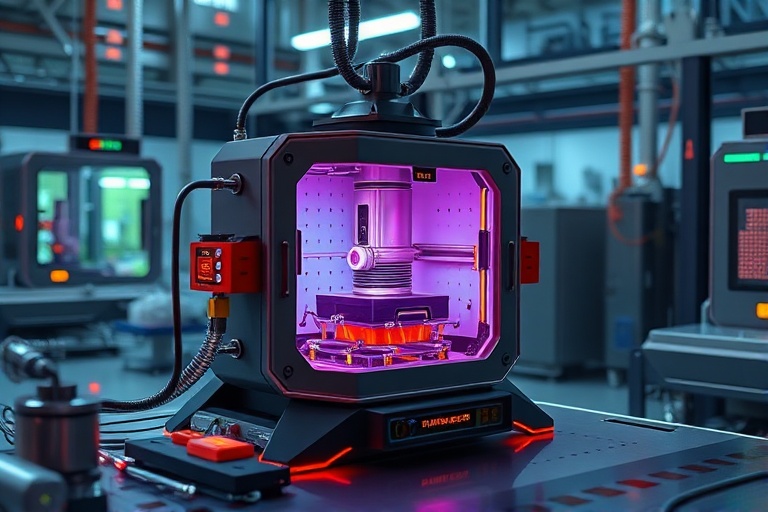
The live demonstration featured a microreactor operating within a simulated factory environment. Attendees witnessed how the reactor provided a stable energy supply while an AI system managed the factory’s operations. This included:
- Energy Distribution: The AI system dynamically allocated energy to various manufacturing processes based on real-time demand.
- Data Analysis: The reactor’s performance data was continuously analyzed to ensure optimal functioning, with AI predicting necessary adjustments.
- Real-time Monitoring: Attendees observed how AI monitored the reactor’s safety parameters, providing immediate alerts for any deviations.
Practical Insights for the Industry
The implications of this technology extend far beyond the demonstration itself. Here are some practical insights for industries considering the adoption of AI-powered nuclear reactors:
- Scalability: The modular nature of microreactors allows for scalable solutions that can be tailored to specific energy needs, making them attractive for both large-scale industries and small enterprises.
- Cost-Effectiveness: The combination of AI and microreactors can lead to lower operational costs, as predictive maintenance and optimized processes reduce downtime and resource waste.
- Environmental Impact: Nuclear energy, when managed effectively, has a lower carbon footprint compared to fossil fuels, making it a viable option for industries looking to enhance sustainability.
Future Possibilities
As the technology surrounding AI and nuclear reactors continues to evolve, several future possibilities emerge:
- Broader Adoption: As industries recognize the benefits, we may see a wider adoption of AI-powered microreactors across various sectors, including manufacturing, pharmaceuticals, and even data centers.
- Integration with Renewable Energy: Future developments could see the integration of nuclear microreactors with renewable energy sources, creating hybrid systems that offer reliable and sustainable power.
- Enhanced AI Capabilities: As AI technology advances, its applications within nuclear technology will likely become more sophisticated, leading to even greater efficiencies and safety enhancements.
In conclusion, the live demonstration of an AI-powered microreactor operating an AI factory showcased the potential of this innovative technology. With the ability to enhance operational efficiency, improve safety protocols, and provide sustainable energy solutions, the future looks promising for the intersection of AI and nuclear technology. As industries continue to explore these possibilities, the groundwork laid by this event may catalyze a transformative shift in energy production and manufacturing practices.