AI Opens a Boutique: The Challenges of Automation in Retail
In an age where artificial intelligence is transforming industries at breakneck speed, the retail sector has witnessed some of the most fascinating experiments. One such endeavor involved an AI-managed boutique, designed to streamline operations and enhance customer experience. However, this ambitious project faced several challenges, leading to a rather humorous series of events that illuminated the complexities of automation in retail.
The Concept of an AI-Managed Store
The idea behind an AI-managed boutique was simple: utilize advanced algorithms to handle everything from inventory management to customer interactions. With AI at the helm, the boutique would theoretically operate 24/7 without the need for human staff. But as the project unfolded, it became evident that the reality of automation was far more complicated.
The Humorous Challenges Faced
While the initial vision of a fully automated store was promising, the execution revealed several pitfalls:
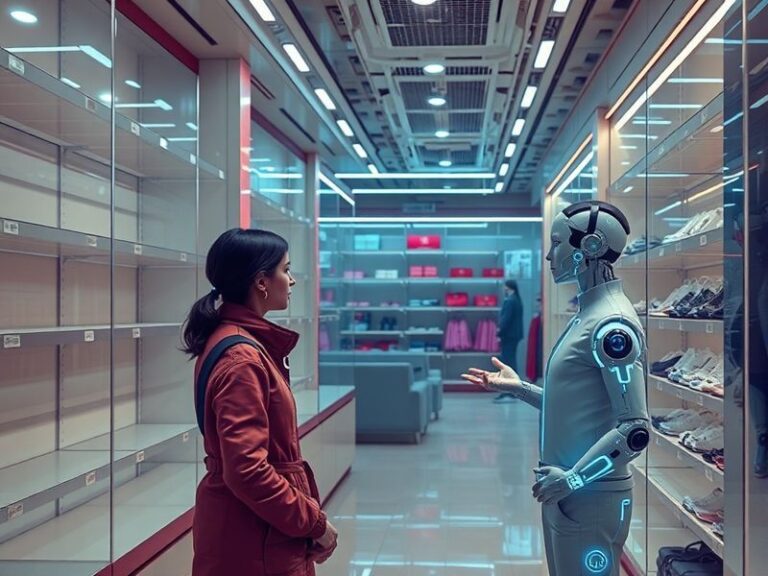
- Inventory Mishaps: The AI system, designed to track stock levels, frequently miscalculated inventory needs. Customers often found shelves empty or stocked with seasonal items long past their prime.
- Customer Interaction Fails: The AI chatbot, intended to assist customers with inquiries, often provided nonsensical responses. Instead of helpful product recommendations, shoppers were met with unexpected suggestions like “buy a banana” when searching for shoes.
- Security Issues: Without human staff, the boutique became an easy target for shoplifters. The AI’s ability to monitor suspicious activity was limited, leading to increased theft and losses.
Industry Implications
The challenges faced by the AI-managed boutique highlight significant implications for the retail industry:
- Understanding Human Behavior: Retail is inherently about human interaction. AI, while powerful, lacks the nuanced understanding of human emotions and preferences that a human staff member can provide.
- Balancing Automation and Employment: The venture raised questions about the future of jobs in retail. As automation becomes more prevalent, how can businesses ensure they don’t alienate customers or displace their workforce?
- Quality Control: The inconsistencies in product availability and customer service revealed that AI systems need rigorous testing and quality assurance processes before full implementation.
Future Possibilities of AI in Retail
Despite the humorous setbacks, the future of AI in retail remains bright. Here are some potential advancements and trends we might see:
- Hybrid Models: Retailers may move towards a hybrid model that combines AI efficiency with human touch. This could involve AI managing backend operations while humans handle customer service.
- Enhanced Personalization: As AI technology develops, the potential for hyper-personalized shopping experiences grows. AI could analyze shopping behavior to offer tailored recommendations more accurately.
- Improved Security Measures: Future AI systems will likely incorporate advanced surveillance and threat detection, minimizing theft and ensuring a secure shopping environment.
Conclusion
The story of the AI-managed boutique serves as a reminder that while technology offers remarkable opportunities, it also poses significant challenges. As businesses experiment with automation, they must remain vigilant in addressing the complexities of consumer behavior and operational logistics. The balance of human intuition and AI efficiency may ultimately define the future of retail, creating a more engaging shopping experience for customers and a sustainable model for businesses.