Google Integrates Image Generation into Search: How AI is Changing the Way We Search for and Interact with Images Online
In the fast-evolving landscape of technology, artificial intelligence (AI) is at the forefront of innovation, continually reshaping how we interact with digital content. One of the most significant developments in recent months has been Google’s integration of image generation capabilities into its search engine. This evolution not only enhances the user experience but also signifies a shift in how we approach visual content on the web.
The New Era of Search: AI-Generated Images
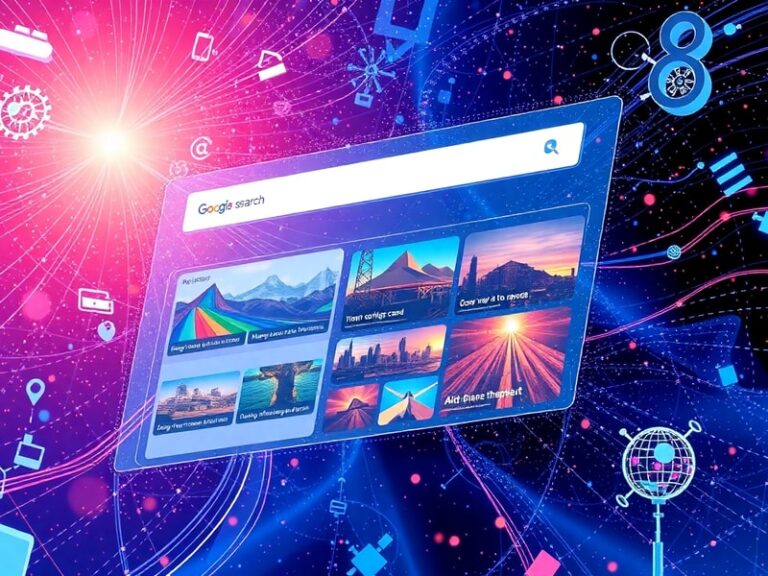
Google’s latest feature allows users to generate images using simple textual prompts, powered by advanced AI models. This functionality is rooted in deep learning and neural networks, which have made it possible to create high-quality visual content that is both relevant and contextually appropriate. Some implications of this integration include:
- Enhanced User Experience: Users can now find images that are tailored to their specific needs, leading to more relevant search results.
- Creative Exploration: Artists and designers can generate visuals based on their concepts, opening up new avenues for creativity.
- Accessibility: Individuals with limited access to stock photography or graphic design tools can now create custom images easily.
How Does It Work?
The process of generating images through Google Search involves several advanced technologies, primarily driven by AI. Here’s how it typically works:
- Text Input: Users enter descriptive phrases or keywords into the search bar.
- AI Processing: Google’s AI interprets the input and generates images based on learned patterns from vast datasets.
- Result Display: The generated images appear alongside traditional search results, allowing users to select and use them as needed.
This seamless integration not only streamlines the search process but also democratizes image creation, allowing anyone with an internet connection to generate unique visuals.
Industry Implications
The introduction of AI-generated images into search engines carries significant implications for various industries:
- Marketing and Advertising: Brands can now create tailored visuals that resonate with their target audiences without the need for extensive design resources.
- Content Creation: Bloggers, social media influencers, and content creators can enhance their visual storytelling with custom images that match their narratives.
- Education: Educational resources can be enriched with dynamic visuals, making learning materials more engaging and illustrative.
Moreover, businesses that leverage this technology can expect to see improvements in engagement metrics, as visuals play a crucial role in attracting and retaining user attention.
Challenges and Considerations
While the benefits of integrating AI-generated images into search are numerous, it is essential to consider the challenges that come with this technology:
- Quality Control: Ensuring that generated images are of high quality and appropriate for various contexts is a challenge that Google must address.
- Copyright Issues: The potential for generating images that inadvertently infringe on copyrights raises legal concerns that need to be navigated carefully.
- Ethical Implications: As with any AI technology, the ethical use of image generation must be prioritized to prevent misuse or the proliferation of misleading content.
Future Possibilities
Looking ahead, the integration of image generation into search interfaces could pave the way for numerous innovations:
- Personalized Visual Content: Future iterations may allow for even more personalization, where users can generate images that reflect their unique style or preferences.
- Enhanced Collaboration: Tools that allow multiple users to collaborate on image generation in real-time could emerge, fostering creativity in teams.
- Integration with Augmented Reality (AR): As AR technology continues to evolve, we could see AI-generated images used in immersive environments, enriching user interactions.
Overall, the integration of AI-generated image capabilities into Google Search represents a significant leap forward in how we engage with visual content online. As technology continues to advance, we can expect further innovations that will redefine our interactions with images, making them more accessible, personalized, and engaging than ever before.