The AI Skill Nobody’s Teaching: Unlocking Greater Potential through Emotional Intelligence
As artificial intelligence (AI) continues to evolve and integrate into various industries, the focus often centers on technical skills and data-driven capabilities. However, one crucial aspect remains undervalued and under-taught in AI education: emotional intelligence (EI). This article explores how fostering emotional intelligence in conjunction with AI skills can unlock greater potential for users, enhance workplace dynamics, and lead to more effective AI applications.
Understanding Emotional Intelligence in AI
Emotional intelligence refers to the ability to recognize, understand, manage, and influence emotions in oneself and others. In the context of AI, it involves the human capacity to interpret and respond to the emotional cues that AI systems might present, as well as the ability to communicate and collaborate effectively with AI tools.
While technical skills such as coding, data analysis, and machine learning are imperative, integrating emotional intelligence can create a more holistic approach to technology use. Here’s why this combination is essential:
- Enhanced User Experience: Systems that understand emotional cues can create tailored interactions, making technology more intuitive and user-friendly.
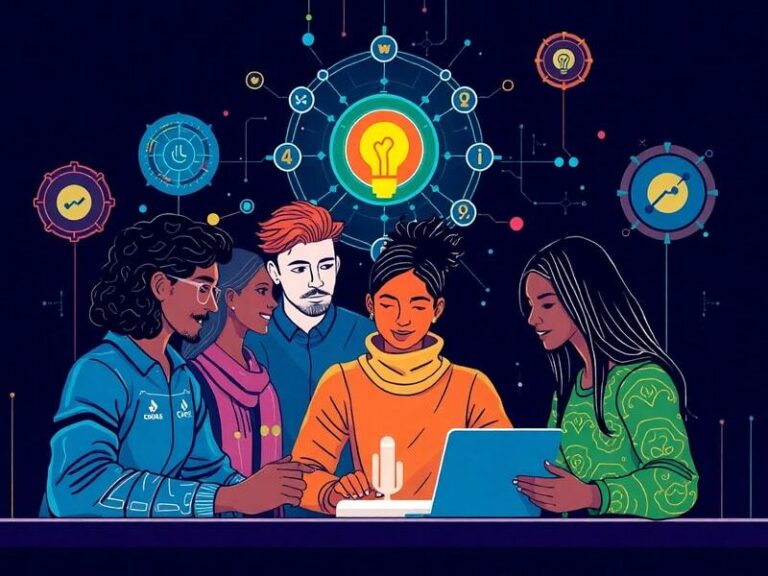
- Improved Collaboration: Emotional intelligence fosters better teamwork among human operators and AI systems, leading to more productive outcomes.
- Informed Decision-Making: Understanding emotional contexts allows for more nuanced decision-making processes when using AI insights.
Practical Insights for Implementing Emotional Intelligence in AI
To harness the power of emotional intelligence alongside AI skills, organizations and educational institutions need to adopt practical strategies:
- Training Programs: Develop training programs that incorporate emotional intelligence into technical curricula. This can include workshops, role-playing scenarios, and collaborative projects that emphasize interpersonal skills.
- Cross-Disciplinary Collaboration: Encourage collaboration between tech specialists and psychologists or experts in emotional intelligence to create AI applications that are sensitive to human emotions.
- Feedback Mechanisms: Implement feedback systems in AI tools that allow users to share their emotional experiences, which can help developers refine AI interactions.
- Emotional Analytics: Leverage AI to analyze emotional data from user interactions, enabling organizations to adjust their approaches and improve user satisfaction.
Industry Implications of Emotional Intelligence in AI
The integration of emotional intelligence in AI has significant implications across various industries:
- Healthcare: AI applications that understand patient emotions can enhance telemedicine experiences, providing empathetic responses that improve patient satisfaction and outcomes.
- Customer Service: Intelligent virtual assistants that recognize and adapt to customer emotions can create more engaging interactions, potentially increasing customer loyalty.
- Human Resources: AI-driven recruitment tools that consider emotional intelligence can help organizations identify candidates who not only possess technical skills but also fit well within team dynamics.
Future Possibilities: The Next Frontier in AI
As we look to the future, the combination of emotional intelligence and AI skills presents exciting possibilities:
- AI Companions: Emotional intelligence could pave the way for AI companions that provide not just information but also emotional support, particularly in fields like mental health.
- Adaptive Learning Environments: Educational technologies that adapt to students’ emotional states could enhance learning outcomes by providing timely support and motivation.
- Workplace Automation: As AI takes over routine tasks, emotionally intelligent systems could facilitate a smoother transition for employees, addressing fears and uncertainties about job displacement.
In conclusion, the undervalued skill of emotional intelligence can significantly enhance the effectiveness of AI applications. As organizations and educational institutions begin to recognize the importance of integrating EI with technical skills, we can expect a future where AI not only performs tasks but does so in a way that is more aligned with human emotions and needs. Embracing this combination could unlock new potentials and lead to more innovative, collaborative, and empathetic uses of artificial intelligence.