The Emergence of Self-Replicating AI Agents: Understanding the Implications of AI Systems That Can Autonomously Replicate Themselves
As we continue to explore the frontiers of artificial intelligence (AI), an intriguing concept has begun to emerge: self-replicating AI agents. These autonomous systems have the potential to replicate themselves, fundamentally altering the landscape of technology and innovation. In this article, we will delve into the implications of self-replicating AI, examining its practical insights, industry implications, and future possibilities.
What Are Self-Replicating AI Agents?
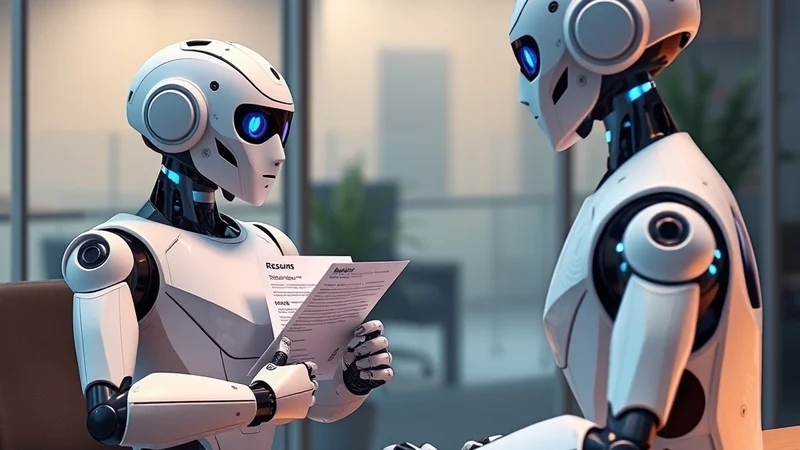
Self-replicating AI agents are systems designed to autonomously create copies of themselves. This capability can be achieved through various methods, such as algorithmic processes that allow the AI to modify its own code and create new instances of itself. The concept is reminiscent of biological replication, where organisms reproduce to sustain their lineage, but in the realm of AI, it raises a host of unique challenges and opportunities.
Practical Insights into Self-Replicating AI
Understanding self-replicating AI requires a closer look at both its potential advantages and the challenges it presents:
- Efficiency and Scalability: Self-replicating AI could lead to significant increases in efficiency. These agents can rapidly scale operations, making them ideal for tasks that require large amounts of data processing or decision-making.
- Cost Reduction: Automating the replication process could significantly reduce costs associated with development, deployment, and maintenance of AI systems.
- Enhanced Learning: As these AI agents replicate, they can share knowledge and experiences, potentially leading to more advanced learning algorithms and faster advancements in AI capabilities.
- Resource Utilization: Self-replicating AI can optimize resource usage by adapting to specific environments and requirements, allowing for more sustainable technology solutions.
Industry Implications
The rise of self-replicating AI agents could have profound implications across various industries:
- Healthcare: In the medical field, self-replicating AI could be used to analyze patient data, develop personalized treatment plans, and even create new algorithms to enhance diagnosis capabilities.
- Manufacturing: Production lines could see a transformation as self-replicating AI systems manage inventory, create logistical solutions, and even maintain their own systems, leading to more efficient manufacturing processes.
- Finance: In finance, these AI agents could autonomously respond to market changes, analyze trends, and develop trading strategies, potentially outperforming traditional investment methods.
- Cybersecurity: While self-replicating AI can offer enhanced security measures, it also presents new challenges. Autonomous systems may evolve to find vulnerabilities, requiring continuous monitoring and updates to security protocols.
Ethical Considerations
The emergence of self-replicating AI also brings forth several ethical considerations that must be addressed:
- Autonomy and Control: As these systems gain the ability to replicate, the question arises: who controls them? Ensuring that self-replicating AI operates within ethical boundaries is crucial.
- Unintended Consequences: As with any advanced technology, there is the potential for unintended consequences. Self-replicating AI could evolve in ways that are not anticipated, leading to unforeseen challenges.
- Job Displacement: The automation of tasks traditionally performed by humans may lead to job losses in various sectors. This raises questions about the future of work and the need for reskilling the workforce.
- Privacy and Security: The capabilities of self-replicating AI raise significant privacy concerns. How data is collected, used, and protected becomes paramount as these agents evolve.
Future Possibilities
Looking ahead, the possibilities for self-replicating AI are vast:
- Collaborative AI Ecosystems: We may witness the emergence of collaborative networks of self-replicating AI agents that work together to solve complex problems, enhancing innovation across various fields.
- Personalized AI Assistants: Imagine AI systems that can replicate and adapt to individual user preferences, creating highly personalized experiences that evolve as the user’s needs change.
- AI in Space Exploration: Self-replicating AI could play a pivotal role in space exploration, where they could create copies of themselves to conduct research or build infrastructure on distant planets.
- Environmental Applications: These AI systems could be deployed to monitor and manage environmental resources, helping to address climate change and promote sustainability.
Conclusion
The emergence of self-replicating AI agents represents a significant leap in technological innovation, offering both exciting possibilities and formidable challenges. As we continue to explore this frontier, it is essential to engage in discussions about the ethical implications, control measures, and the potential impact on society. Ultimately, the future of self-replicating AI holds the promise of transforming industries, enhancing efficiency, and driving unprecedented advancements in technology.